


Why Old SEO Playbooks No Longer Work
The way people look for information has changed. Buyers expect immediate clarity and trustworthy explanations, and they often gather context before ever reaching a website. They ask direct questions to AI tools, check Reddit threads, skim a TikTok walkthrough, and then read an article—all within a single research cycle.
Traditional “publish, rank, wait” approaches no longer match this behavior. Modern visibility depends on how clearly your expertise is communicated across formats and how consistently it reinforces a buyer’s understanding wherever they encounter you.
If your brand doesn’t appear in these moments—whether through structured content, clear definitions, or extractable explanations—you effectively “don’t exist,” even if your page technically ranks.
When someone searches “What causes budget variance in construction?”, their journey may look like: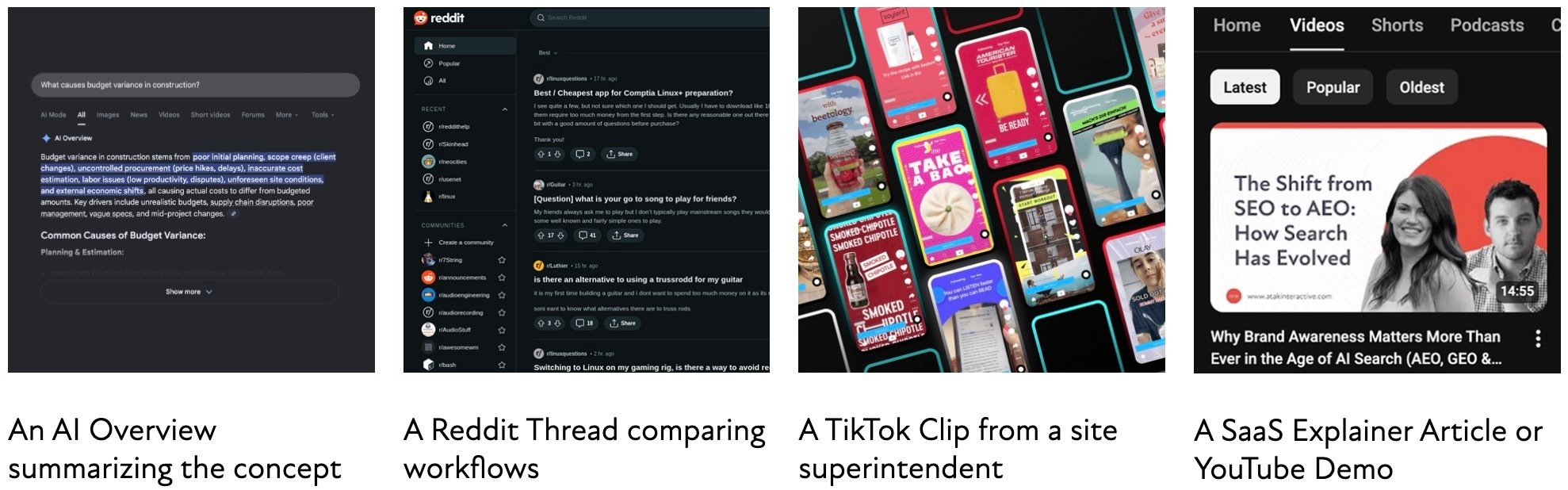
The Modern Discovery Map
Google is Now a Multi-Surface Discovery Engine
Google behaves less like a single search box and more like an interconnected discovery system. A single question may surface:
- An AI Overview summarizing the topic
- Organic links offering depth
- YouTube modules demonstrating concepts
When brands maintain structured, consistent content, they can appear across multiple surfaces simultaneously—creating compounded visibility.
How to Appear in Google’s AI Overview?
AI Assistants are the Primary Discovery Surfaces
ChatGPT, Gemini, Claude, and Perplexity prioritize clarity and well-structured explanations. A crisp definition of “real-time cost tracking” or “motion-control lifting” can be reused across multiple AI engines because these systems rely heavily on extractable phrasing.
These responses often shape a buyer’s first impression of a category—long before they reach your website.
Perplexity vs ChatGPT vs Claude: Understanding How Each Platform Chooses Sources
Social Networks Shape Human and Machine Understanding
Platforms like YouTube, TikTok, LinkedIn, and Reddit introduce concepts earlier than traditional search. A quick TikTok demo of automated invoice routing or a Reddit discussion about CRM migrations can influence buying criteria before your content enters the picture.
Social behavior also shapes how AI models interpret topics, giving these surfaces dual importance.
Reddit, Quora, and Community Platforms: The New Search Ranking Signals
Three Layers of the Modern Visibility Engine
Search visibility now happens across three complementary layers. SEO, AEO, and GEO work together to determine whether your expertise is discoverable, extractable, and reusable across modern search surfaces.
Together, these three layers create unified visibility across every surface where buyers seek understanding.
SEO vs GEO vs AEO vs AIO > Read More!
SEO: The Structural Layer
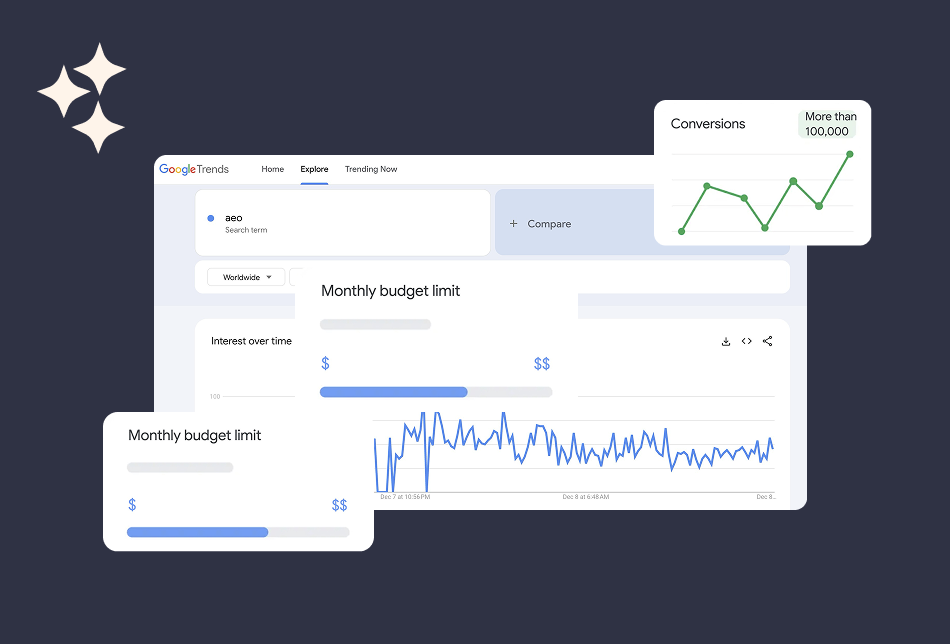
SEO provides the technical and topical foundation. Clean architecture, crawlable pages, and deep content clusters help engines understand what your brand does and where it should be surfaced.
A pillar on “project cost management,” supported by articles on variance tracking, forecasting, and budget governance, builds clear topical authority.
Read More – Rethinking Traditional SEO — What Stays and What Changes
AEO: The Answer Layer
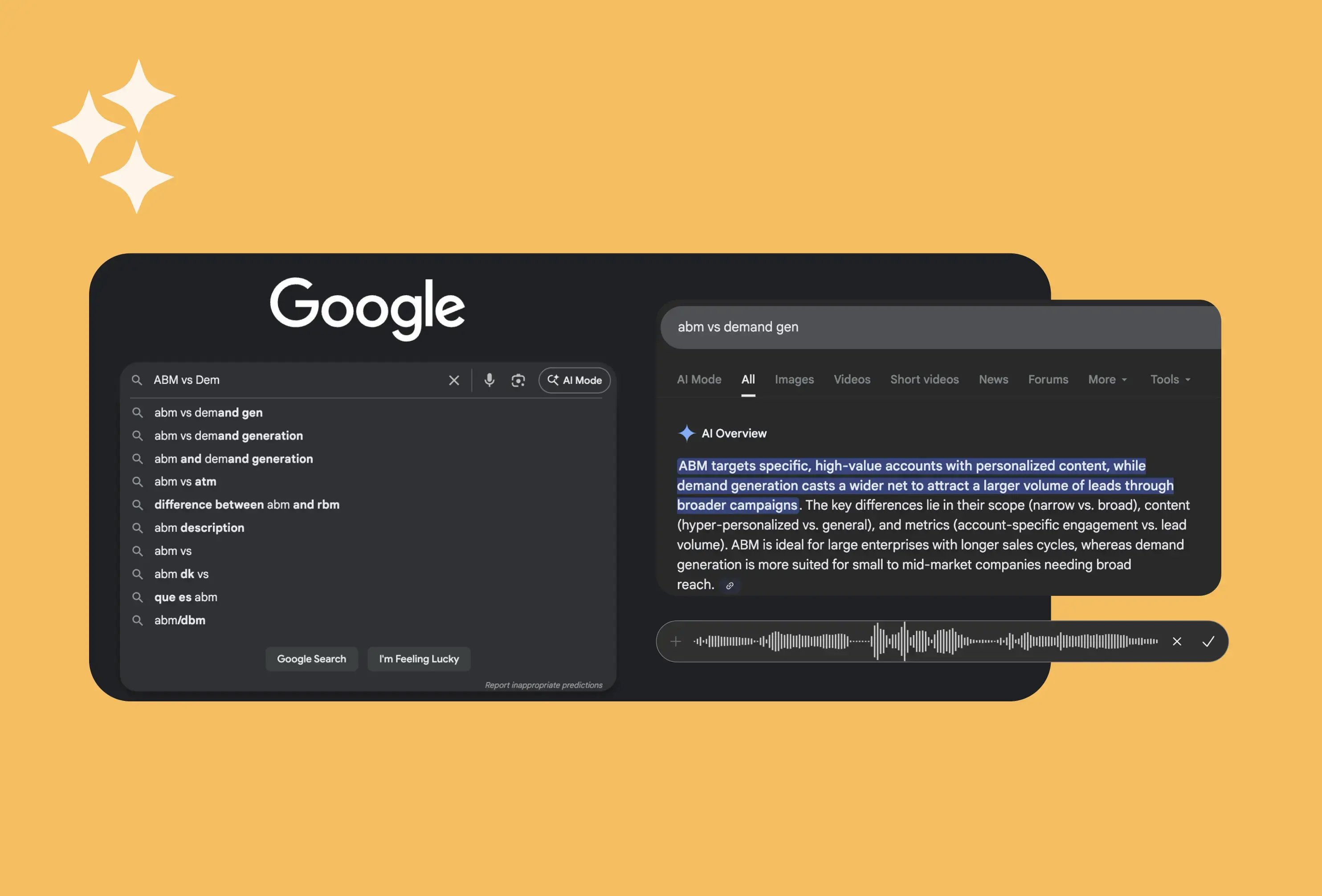
AEO determines whether your explanations appear inside AI-generated results. Engines favor direct, well-structured responses. When a page includes a precise block like “How synchronized lifting maintains precision,” it becomes a strong candidate for AI Overview inclusion or Perplexity citation.
Read More – The Complete Guide to Getting Seen in AI Searches
GEO: The Model-Memory Layer
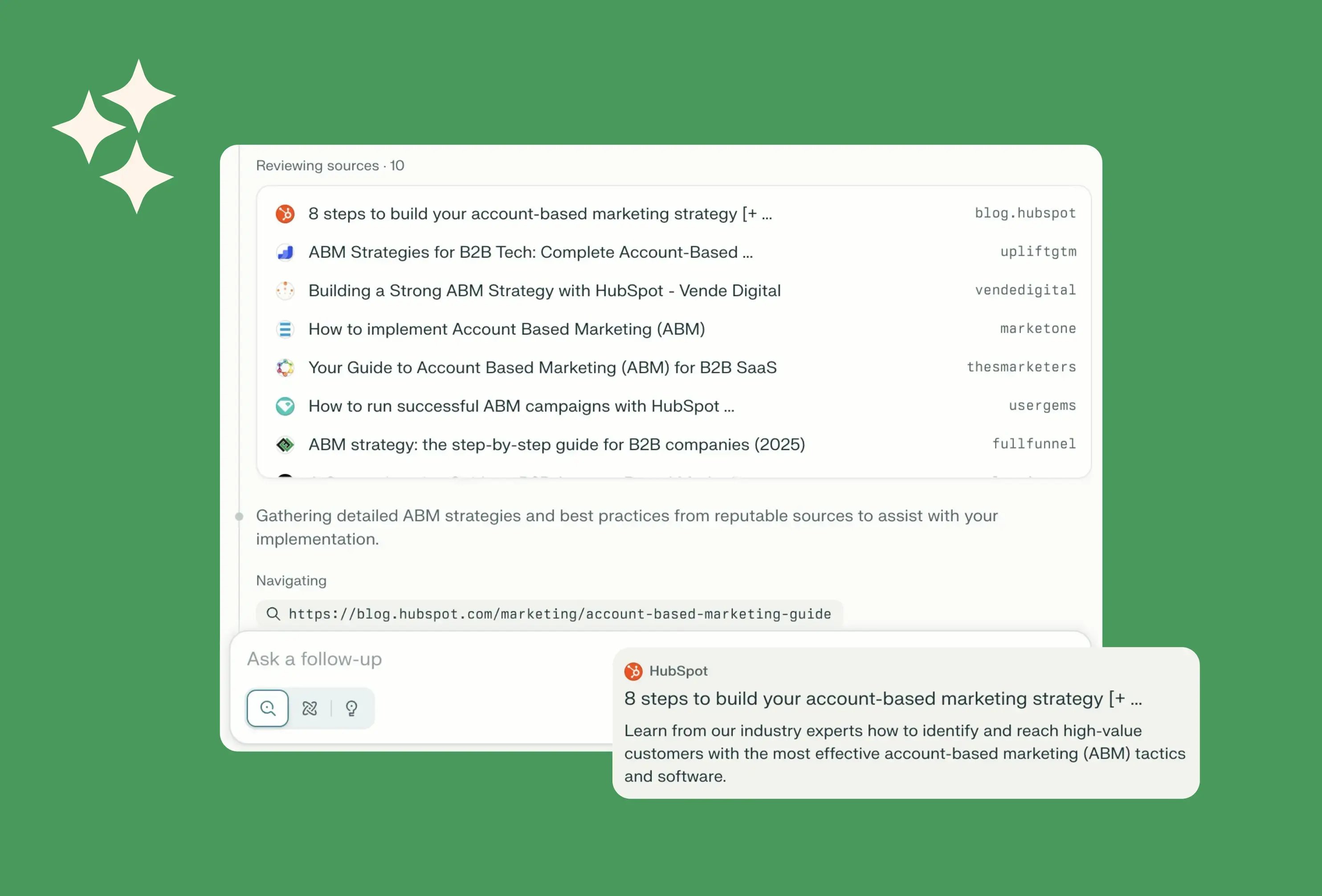
GEO strengthens how generative models remember and reuse your expertise. Consistent terminology, open-access content, standardized definitions, and authoritative explanations increase the likelihood that models will internally reference your insights.
Glossaries, frameworks, and clear definitions often become “reusable building blocks” inside AI engines.
Building a Unified Search Strategy
When Every Channel Reinforces the Others
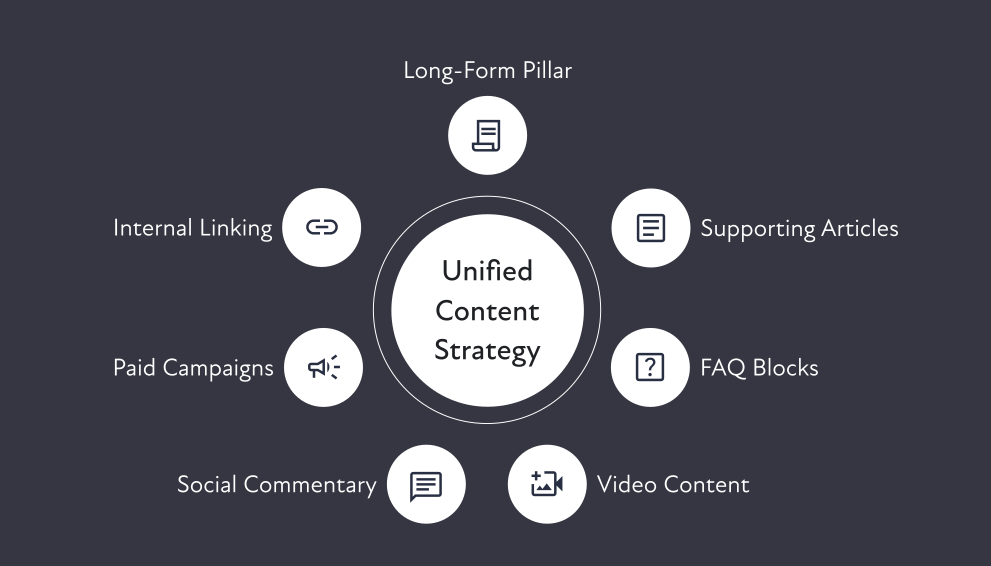
Unified visibility happens when content works cohesively across formats—not through volume, but through structural interconnection.
You don’t need more content—you need content that speaks one unified language across every discovery surface. Strategically aligned content outperforms content volume every time.
How ATAKSearch Works: Search-as-a-Service Built for 2026
Creating Content for the AI Era
Write for Real Questions and Real Reasoning
People don’t ask robotic queries anymore. They ask natural questions like “Why do construction teams struggle with budget variance?” and “How do I connect HubSpot and Salesforce without breaking my sales process?”
Modern content should clearly explain the issue, identify the underlying cause, and provide a practical path forward — without unnecessary complexity.
Each content type supports a different discovery surface and a different stage of reasoning.
The Three Types of Modern Content
Rankable Content
Rankable content includes your pillars, service pages, and long-form guides—the assets built for depth, structure, and traditional SEO discovery. These pieces give search engines a clear map of what you do and where your expertise sits. They anchor your clusters, carry your primary intent, and establish the foundation that everything else builds upon.
Referenceable Content
Referenceable content is designed for extractability. Definitions, FAQs, and short-form comparisons provide the clean, direct explanations AI engines pull into Overviews, summaries, and citations. These pieces don’t just answer questions—they answer them in a format that machines can easily interpret and reuse, which makes them core to AEO performance.
Reusable Content
Reusable content includes your frameworks, glossaries, and checklists—the material that forms your brand’s intellectual signature. These assets are consistent, factual, and repeatable, which is why generative models retain them. They create the “knowledge blocks” that show up across AI platforms long after someone interacts with your site.
The Modern Role of Keywords
Keywords still matter—but today they act more as signals than targets. Engines interpret entities and relationships such as “HubSpot,” “Salesforce,” “CRM integration,” “RevOps,” and “sales automation.” Together, they form a deeper, more accurate picture of your expertise.
.png?width=3432&height=1520&name=final%20big%20no%20back%20(1).png)
Making Content Machine-Readable
Structure Content for Machines to Understand
Engines interpret structure, not design. Clear headings, concise paragraphs, and consistent formatting improve extractability. A sentence like “Invoice automation reduces errors by centralizing approvals and eliminating manual data entry” is far more reusable than a concept buried in a dense paragraph.
Contrast sections — such as manual vs. automated workflows — help engines parse relationships and meaning.
Use Schema to Clarify Meaning
FAQ, HowTo, Product, and Organization schema help engines categorize your content correctly and reduce ambiguity. Schema is less about “rich snippets” and more about machine comprehension.
Read More – The Complete Guide to Schema Markup for B2B Companies
Accessibility Signals Intelligence
Semantic HTML, descriptive alt text, transcripts, and proper header hierarchy improve understanding for both humans and machines. If you can disable CSS and still understand your page, it’s well-structured.
Read More – Testing Your Content’s AI Readability: Tools and Techniques
Connecting Paid and Organic Efforts
Paid Accelerates what Organic Strengthens
Paid and organic are no longer separate channels — they are two sides of the same visibility engine.
Paid Channels Validate Messaging
Paid campaigns reveal which ideas resonate. If a LinkedIn ad using the line “Your spreadsheet isn’t a forecasting tool” overperforms, that phrasing likely belongs in your:
- pillar page
- supporting article
- YouTube explainer
- FAQ block optimized for AEO
Paid teaches organic what the market is paying attention to.
Organic Builds Long-Term Authority
Organic content creates the structural and topical foundation engines rely on.
When high-performing organic assets are amplified through paid, visibility compounds.
Retargeting Connects the Surfaces
A buyer who encounters your brand through an AI answer, social clip, or pillar definition can be retargeted through LinkedIn or Google Ads—turning early curiosity into pipeline progression.
Read More – Understanding the Retargeting Strategies That Build Pipeline
Beyond Keywords: A Multi-Surface Visibility Index
Rankings alone don’t reflect influence. A brand may rank for several keywords yet remain absent from every major AI-generated answer.
A modern visibility index measures presence across AI-generated answers, search surfaces (organic plus modules), YouTube discovery, social ecosystems, and entity recognition. It looks at where the brand appears when buyers ask real questions, not just how often a single URL ranks.
A strong visibility model also accounts for cluster depth, internal link strength, and the connection between search behavior and revenue. It tracks which topics drive the pipeline, not just traffic.
Read More – Building a Visibility Index: Tracking SEO, AEO, and GEO Performance Inside of HubSpot
Read More – Why HubSpot Is the Best Tool for Running and Measuring ATAKSearch Campaigns
Turning Modern Search Theory Into Consistent Execution
Understanding how modern search works is only the first step. The real challenge for most teams is operationalizing this knowledge — turning strategy into consistent execution without fragmenting efforts across SEO, content, paid media, and emerging AI discovery surfaces.
In practice, unified search requires coordination across structure, messaging, formats, and channels. Content must be discoverable, extractable, and reusable. Paid and organic signals must reinforce one another. And expertise must be expressed clearly enough that both humans and machines can interpret it consistently over time.
There is no single “right” way to do this — but it does require intention, structure, and coordination. Some organizations build internal systems to manage this complexity. Others work with partners who specialize in unified visibility models.
Read More – Explore How ATAK Applies the Unified Search Framework through ATAKSearch