
For years, I've told prospects and customers the same thing: making a website ...

ATAK's Go-to-Market Solutions help you nail your positioning, build real demand, and equip sales to close. Don't confuse hope with a real growth plan.










Most launches start with assumptions, not evidence. Teams build personas in a vacuum, ship messaging customers don't recognize, and then spend the next two quarters explaining why pipeline never showed up. Without validated ICP work, you're guessing and guessing is expensive when the calendar runs out and revenue hasn't moved.

Throwing budget at every channel hoping one sticks isn't a strategy. Most companies enter new markets without a channel mix mapped to actual buying behavior, and they burn through launch budgets on impressions that never turn into pipeline. Smart GTM means putting dollars where your buyers already are, not where it feels good to be seen.

While your team is still aligning on messaging, a competitor is signing your prospects. Speed isn't optional anymore - it's the difference between owning a market and chasing it. ATAK's GTM Solutions compress launch timelines so you show up with momentum, not after it's already gone.
The companies that own their markets aren't louder - they're sharper, faster, and better coordinated. Modern GTM is the orchestration of positioning, demand, sales enablement, and RevOps into a single revenue system. ATAK builds that system so your launches generate pipeline from week one.
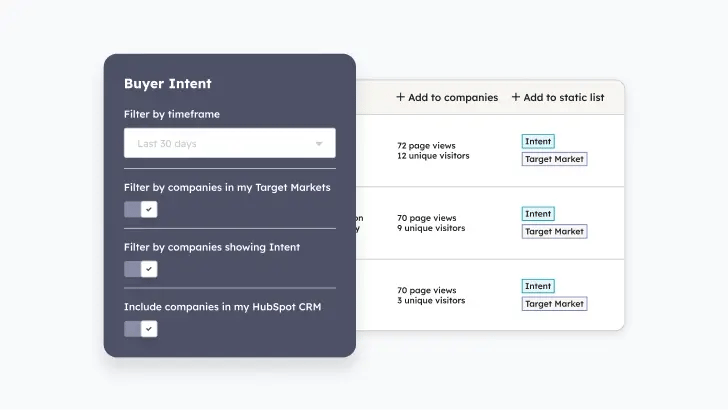
Bad positioning makes good marketing impossible. We help you define your ICP, articulate the problem only you solve, and translate that into messaging your buyers can actually repeat back to you.
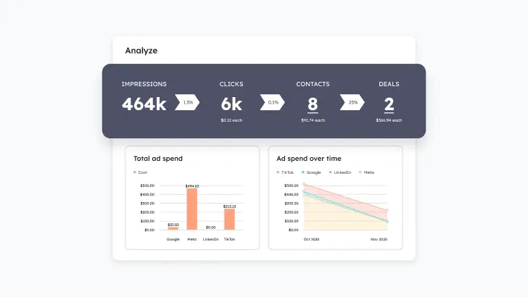
Modern demand isn't a campaign - it's a system. Paid, content, ABM, and search work together to put your offer in front of in-market buyers and convert them into qualified opportunities, fast.
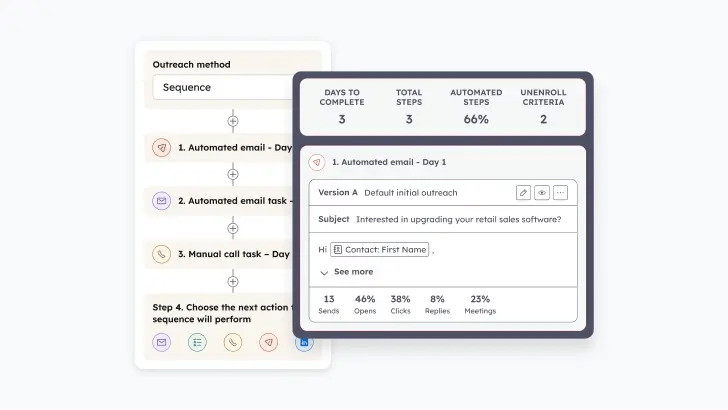
Sales reps without a playbook waste good leads. We build the enablement layer - sequences, talk tracks, battle cards, and CRM workflows - so every rep ramps faster and every demo lands harder.
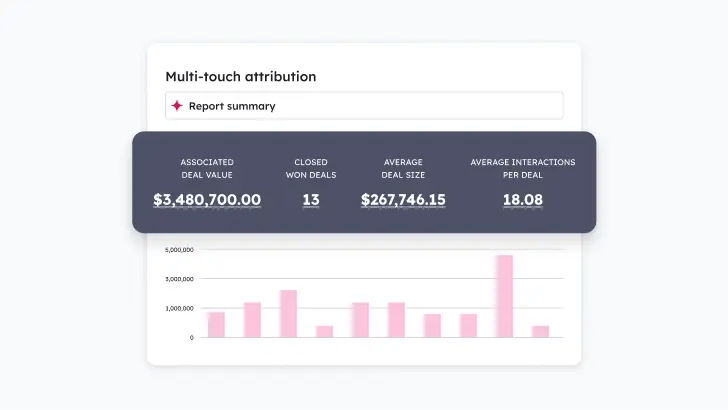
Marketing, sales, and customer success need to share data, not fight over it. We connect HubSpot, Salesforce, and your full MarTech stack so your GTM motion is measurable, repeatable, and built to scale.
We built ATAK's Go-to-Market Solutions because we've watched too many launches fail for the same reasons — bad positioning, siloed teams, and slow execution. Modern GTM is a system. We help you build it, run it, and own the markets your competitors are still mapping.

Launch the product, send a press release, wait for inbound
Sales figures out positioning and pitch on the fly
Marketing and sales chase different goals in different tools
Success measured in MQLs, impressions, and "awareness"

Multi-channel demand engine drives pipeline from day one
ICP, positioning, and messaging validated before launch
Marketing, sales, and RevOps operate as a single revenue team
Success measured in pipeline, sales velocity, and closed-won revenue

When you partner with ATAK, we cover every layer of your launch. Here's how we work together to turn new markets and new products into real revenue.

Step 1

Step 2

Step 3

Step 4

GTM is a living system, not a one-time launch. We run the operation, track what's working, kill what isn't, and compound wins month over month so your motion gets sharper, faster, and more profitable every quarter.
Step 5
We help you find the right market, build the right demand, and arm the right team to capture it. ATAK's Go-to-Market Solutions aren't a launch plan - they're the revenue system built for the moment.

Our Latest Articles
Explore our latest resources on launching new products, entering new markets, building demand, sales enablement, and the RevOps backbone that ties it all together.
For years, I've told prospects and customers the same thing: making a website ...
You pulled a HubSpot report last week. The numbers looked clean. Deals updated,...
Let me take you back to 2014. I was sitting in a strategy session with a local...